Drone Payload Explained: The Variables Behind a Single Number
The spec sheet says "max payload 10 kg." You mount your equipment and discover you're capped at 7 kg. This scenario plays out repeatedly in enterprise drone procurement. Payload is not a static label — it's a ceiling determined by four variables working together: propulsion, structure, environment, and interface. Let's break each one down.
1. Defining Payload: More Than "How Much It Can Carry"
Payload refers to the total weight of mission equipment or cargo a drone carries — excluding the airframe, battery, and core flight control system. The relationship to Maximum Takeoff Weight (MTOW) is:
MTOW = Airframe Weight + Battery + Payload
Three numbers, one equation. Example: a drone with 25 kg MTOW, 12 kg empty weight, and a 5 kg battery pack leaves 8 kg for the mission payload — not 25 kg.
The gap between the MTOW headline figure and actual usable payload differs dramatically across classes:
Class | Typical Payload | Representative Platforms | Payload Interface
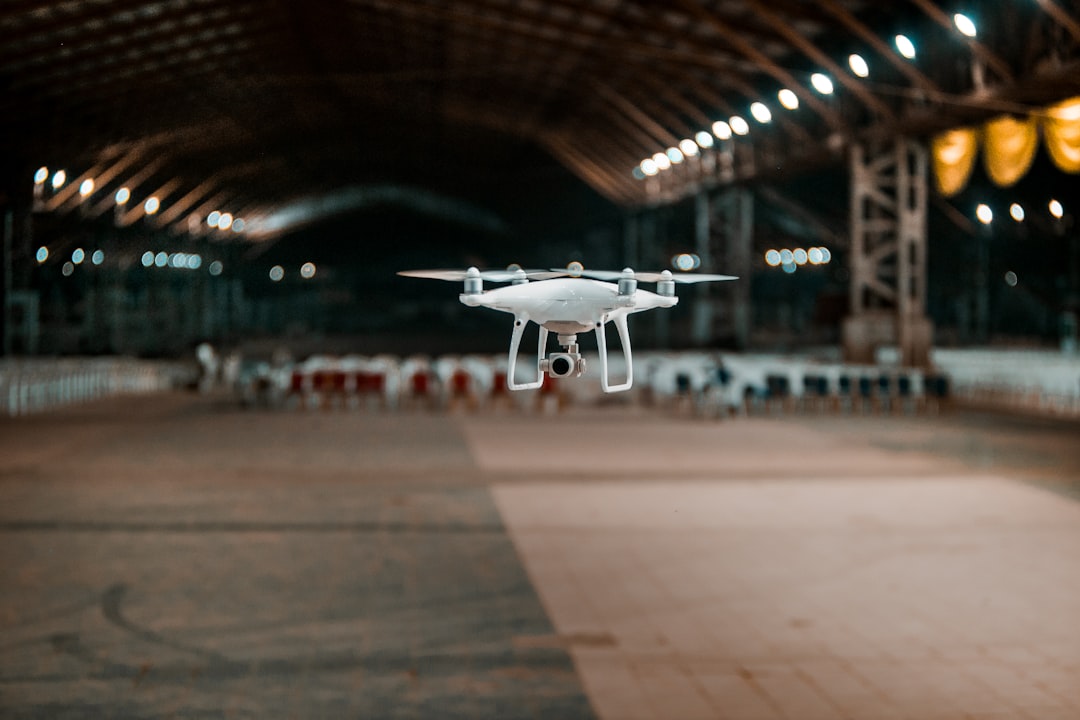
Consumer | 0.2–0.5 kg | DJI Mavic series | Closed ecosystem; minimal third-party support
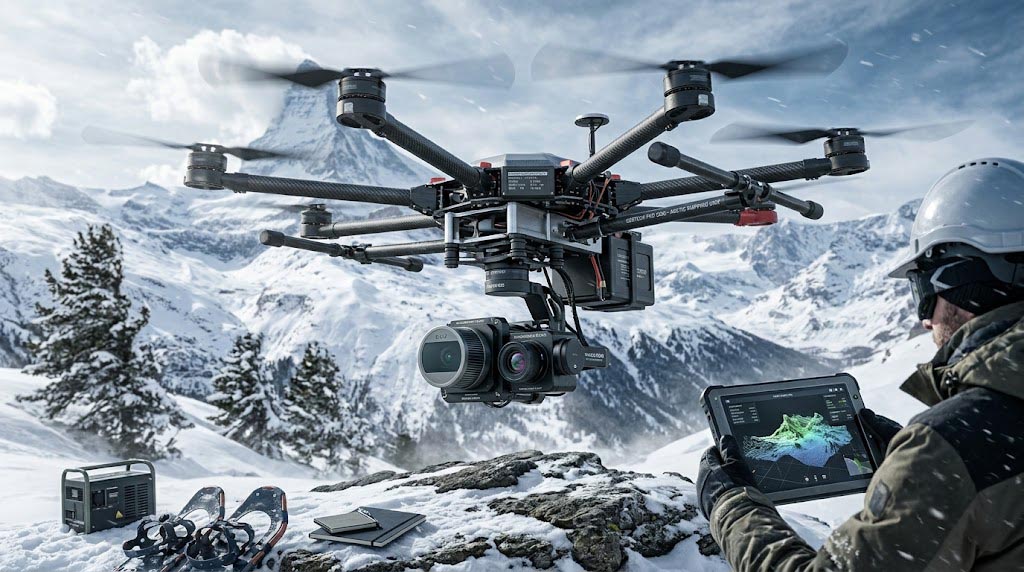
Light Enterprise | 1.5–3 kg | DJI Matrice 30 / 350 RTK | PSDK + SkyPort V2; third-party payload ready
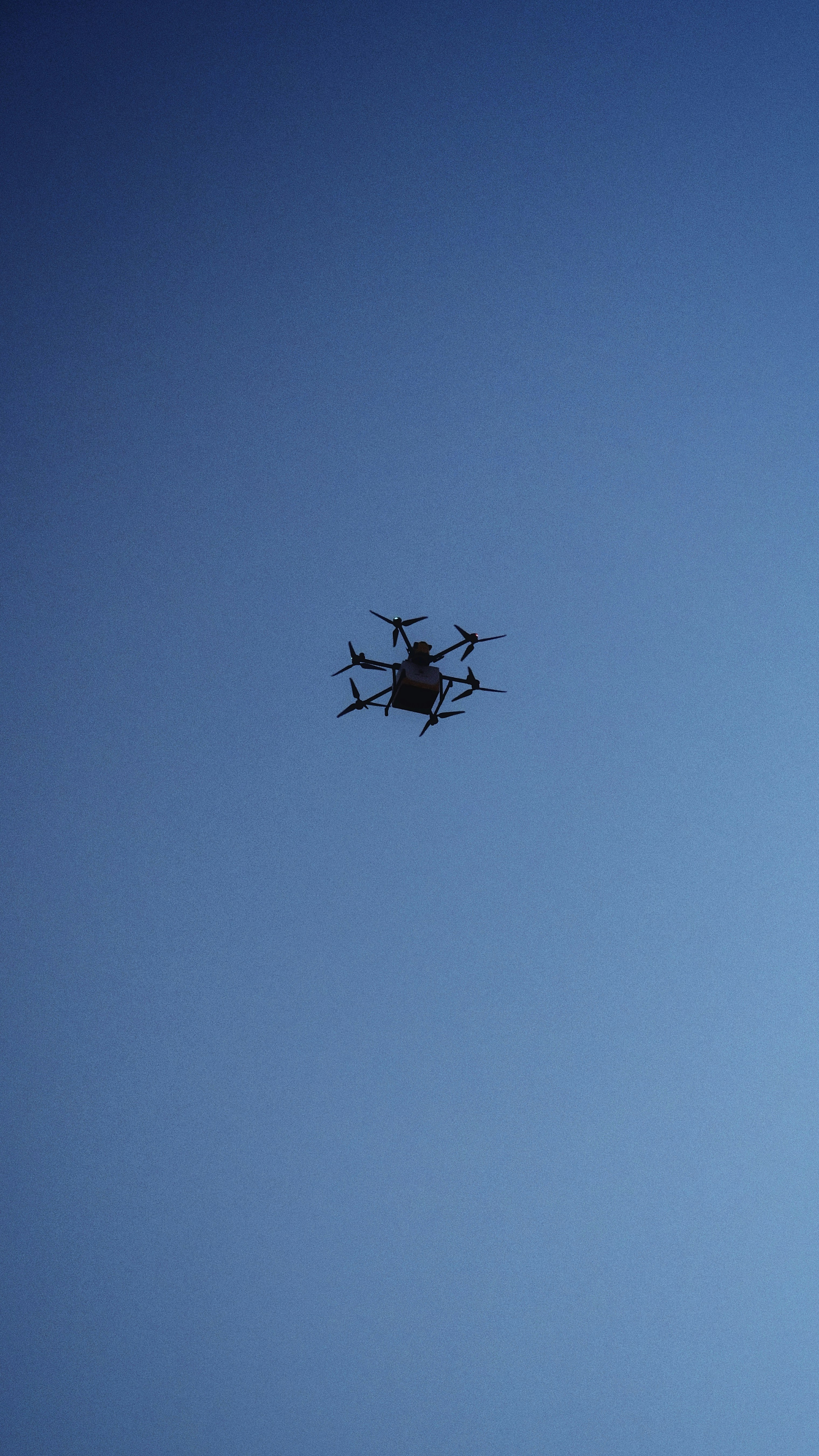
Mid-Range Logistics | 15–30 kg | DJI FlyCart 30 | Dedicated cargo bay + quick-release mechanism
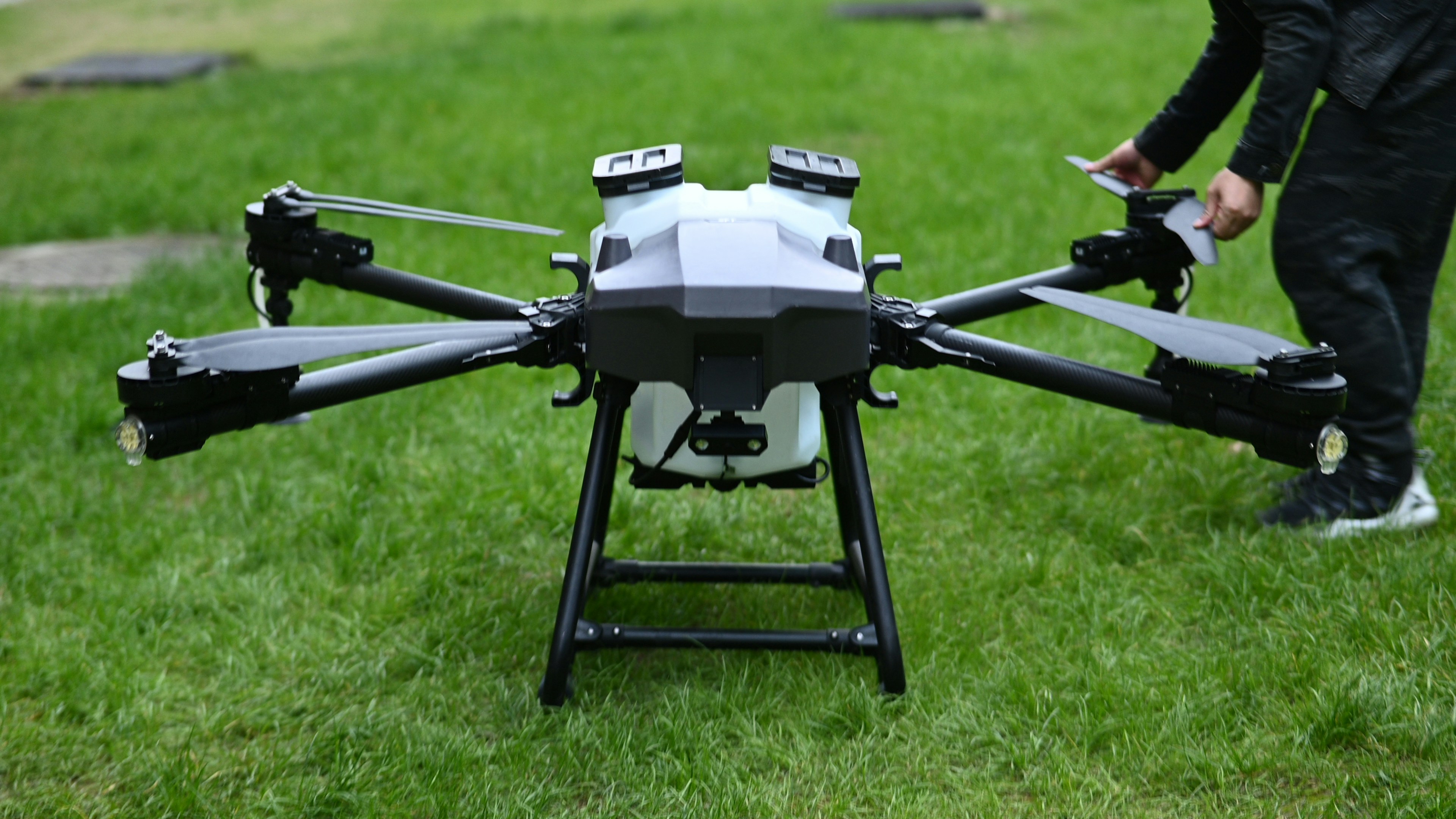
Heavy Agriculture | 40–50 kg | DJI Agras T50 | Spray / spread-specific payload; non-universal interface
DJI opened the PSDK interface starting with the Matrice line, which is when standardized third-party payload integration became viable. Before that, every brand — sometimes every model — had its own proprietary mounting protocol. Payload suppliers had to develop a separate adapter for each platform.
2. Four Engineering Variables That Shape Payload Capacity
1. Propulsion: Power Density Sets the Lift Ceiling
Motor and battery power directly determine maximum lift. But in the heavy-payload range, the relationship is non-linear: doubling motor power also doubles the motor's own weight and cooling requirements. The net payload gain is significantly less than 2×.
2. Structural Design: Lighter Airframe = More Payload Budget
Material choice directly impacts usable payload. Carbon fiber saves roughly 30% weight compared to aluminum at equivalent strength — every 1 kg shaved off the airframe is 1 kg gained for the mission payload. But lightweighting and structural strength are a zero-sum game: the higher the load requirement, the less structural weight you can actually save.
3. Operating Environment: The Spec-Sheet Discount Rate
Environmental factors silently erode payload capacity:
High altitude: lower air density reduces rotor lift. For every 1,000 m of elevation gain, derate usable payload by roughly 15–20%.
High winds: maintaining attitude stability consumes power that would otherwise contribute to lift. Gusty conditions lower the practical payload ceiling below the still-air spec.
Low temperature: lithium battery usable capacity drops measurably below −10°C, indirectly shrinking the effective mission window.
4. Payload Interface: It's Not Just "Clipping Something On"
How the payload mounts matters. Quick-release interfaces enable fast swaps but add adapter weight. Direct bolt-on mounting saves weight but sacrifices flexibility. On the power side, the flight controller's PSDK port has a finite output ceiling — high-draw payloads need an independent power module, and that module's weight counts against your payload budget.
3. Three Practical Rules for Payload Planning
1. Total your mission weight first, then select the platform. Add up every component — equipment, mount, cabling, safety margin — into one "total required payload" figure. Filter platforms against that number. Never do it the other way around.
2. Derate for the worst-case environment. Run the numbers against your operating area's lowest temperature, highest elevation, and typical wind speed. Your real-world number is roughly 70–80% of the spec-sheet figure.
3. Verify the interface ecosystem. On DJI platforms, confirm whether the payload is PSDK / SkyPort V2 certified. On non-DJI platforms, check whether the mechanical interface and communication protocol require an adapter — and whether one even exists.
Payload is not a number you read off a row in a table. It's the result of running a calculation through definition → propulsion → structure → environment → interface. Skip any layer, and the "actual usable payload" you get in the field will not match the spec sheet.